 INR
 USD
 AED
 EUR

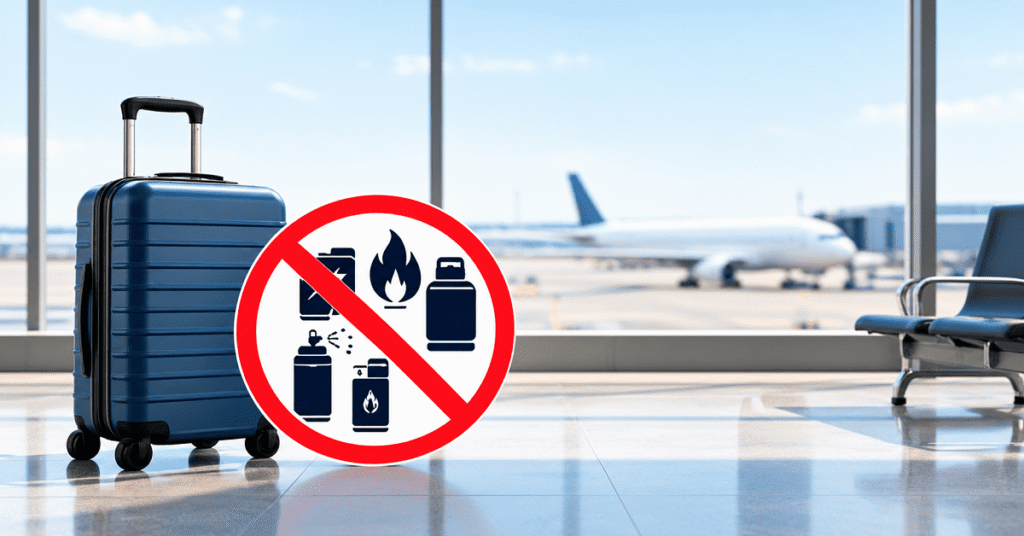
Packing your suitcase sounds simple until you start wondering which items can safely travel in your checked luggage. Many travelers assume that checked baggage can hold almost anything that security will not allow in the cabin. That assumption can cause problems at the airport.
Airlines and aviation authorities restrict certain items because they can create fire, explosion, chemical, pressure, or safety risks inside an aircraft. Some products cannot travel at all, while others can travel only in carry-on baggage, only under specific conditions, or only after airline approval.
This guide explains what you should not pack in checked luggage, with practical examples for travelers flying from or to the USA, Canada, Australia, and the UK.
Important: Baggage rules can vary by country, airline, route, and item specifications. Always check the rules for your specific airline and destination before packing.
Why Do Airlines Restrict Items in Checked Luggage?
Checked bags travel in the aircraft’s cargo hold, where passengers and crew cannot quickly access them during a flight.
For this reason, airlines take particular care with items that can:
- Catch fire
- Explode
- Release toxic fumes
- Leak corrosive chemicals
- Generate dangerous heat
- Activate accidentally
- Damage other baggage
- Create pressure or fuel-related hazards
Security agencies screen checked baggage before it reaches the aircraft. In the UK, airport security screens both hand luggage and hold luggage, and staff can stop an item if they consider it dangerous. Canada also uses specialized systems to screen checked baggage for prohibited items such as explosives.
Items You Should Never Pack in Checked Luggage
1. Explosives and Fireworks
Do not put explosives or fireworks in your checked suitcase.
Examples include:
- Firecrackers
- Fireworks
- Flares
- Dynamite
- Gunpowder
- Detonators
- Smoke grenades
- Explosive devices
- Certain types of ammunition
- Some novelty explosive products
These products can create serious fire or explosion risks.
Example:
If you buy fireworks for a celebration while traveling in the USA, don’t put them in your checked suitcase for the return flight. Check the airline and destination rules instead of assuming that a sealed package makes them acceptable.
Delta Air Lines lists fireworks, ammunition, lighter refills, guns, car batteries, and compressed gas cylinders among its forbidden dangerous items.
2. Fuel and Flammable Liquids
Fuel-related products create a major risk during air transportation.
Common examples include:
- Gasoline
- Petrol
- Diesel
- Lighter fluid
- Camping fuel
- Paint thinner
- Some solvents
- Certain industrial chemicals
- Fuel canisters
- Flammable adhesives
For example, if you plan a camping trip in Canada and want to bring a small gasoline container, do not put it in your checked luggage. Aviation authorities treat many flammable liquids as dangerous goods.
A product’s small size does not automatically make it safe for air travel.
3. Spare Lithium Batteries and Power Banks
This category causes confusion because many passengers think checked luggage is the safest place for electronics.
In general, spare lithium batteries and power banks should travel in your carry-on baggage, not your checked luggage.
Examples include:
- Power banks
- Spare laptop batteries
- Spare camera batteries
- Replacement phone batteries
- Portable rechargeable battery packs
Lithium batteries can short-circuit, overheat, and start fires. Keeping spare batteries in the cabin allows the crew to respond more quickly if a battery develops a problem.
Example:
You pack a 20,000 mAh power bank for a long flight. Do not put it inside your checked suitcase. Keep it with you in your cabin baggage and protect it from damage or short circuits.
Canada’s CATSA specifically advises travelers to keep spare lithium batteries and power banks in carry-on baggage. Australia’s CASA also says travelers should never place spare batteries or power banks in checked luggage.
4. Damaged or Defective Batteries
Never pack a battery that shows signs of damage.
Watch for:
- Swelling
- Leakage
- Corrosion
- Physical damage
- Overheating
- Burning smell
- Product recall notices
A damaged lithium battery can create a serious fire hazard.
For example, if your old laptop battery has started swelling, do not place the laptop or battery in your checked bag simply because you do not plan to use it during the flight.
Australia’s aviation authority specifically identifies damaged, leaking, distorted, corroded, recalled, or defective batteries as prohibited dangerous goods.
5. E-Cigarettes and Vapes
Do not place e-cigarettes or vaping devices in checked luggage.
Many aviation authorities require these devices to travel in the cabin because their lithium batteries can create a fire risk.
For example, UK guidance lists e-cigarettes as allowed in hand luggage but not in hold luggage. Delta also lists e-cigarettes among items that must remain in the cabin.
Always check the destination country’s laws as well because some countries restrict or prohibit vaping products for reasons beyond aviation security.
6. Gas Cylinders and Pressurized Containers
Pressurized containers can pose serious risks during air transportation.
Examples include:
- Propane cylinders
- Butane cartridges
- Camping gas
- Some compressed-gas cylinders
- Certain diving or industrial gas containers
- Large gas cartridges
Some specialized cylinders may qualify for transportation under strict conditions, but you should never assume that a gas cylinder can travel simply because it fits inside your suitcase.
Example:
A traveler heading to Australia for a camping holiday should not place a small propane cylinder inside a checked suitcase. CASA lists flammable gas cylinders and cartridges among banned items.
7. Bleach, Strong Chemicals, and Corrosive Products
Household cleaning products can look harmless, but many contain chemicals that airlines restrict.
Avoid packing products such as:
- Bleach
- Strong oven cleaners
- Some drain cleaners
- Industrial cleaners
- Certain pesticides
- Weed killers
- Strong acids
- Certain corrosive chemicals
- Pool chemicals
These substances can leak and damage baggage, aircraft components, or other cargo.
For example, carrying a bottle of concentrated pool chlorine in your suitcase for a vacation property can create a serious aviation safety issue.
8. Pepper Spray and Other Incapacitating Sprays
Self-defense sprays often fall under dangerous-goods or weapons restrictions.
Examples include:
- Pepper spray
- Mace
- Oleoresin capsicum sprays
- Certain tear-gas products
- Electroshock devices
Australia’s CASA specifically lists mace, pepper spray, and other devices containing irritant or incapacitating substances among banned items.
Rules also vary according to local weapons laws, so never assume that an item legal in one country can travel to another.
9. Fire Extinguishers and Certain Safety Equipment
Some travelers think safety equipment automatically qualifies as safe travel equipment. Aviation rules do not work that way.
Fire extinguishers, self-inflating life rafts, and certain emergency equipment can contain pressurized gases, chemicals, or activation mechanisms that create aviation risks.
Check with your airline before attempting to transport specialized safety equipment.
10. Fuel-Powered Equipment With Fuel or Fumes
Equipment such as lawnmowers, chainsaws, generators, and other fuel-powered machines can create problems if they contain fuel or fuel vapors.
Australia’s CASA specifically identifies used fuel-powered engines and equipment with residual fuel or fumes as banned items.
Example:
You purchase a small chainsaw for a property project and want to take it home by air. Do not simply drain the visible fuel and put the chainsaw into your suitcase. Residual fuel or fumes can still create a hazard.
Contact your airline for approved transportation or cargo options.
11. Smart Luggage With Non-Removable Batteries
Smart luggage can include built-in batteries for features such as:
- USB charging
- GPS tracking
- Digital locks
- Electronic scales
Some airlines allow smart luggage only when you can remove the battery. Australia, for example, restricts smart bags with non-removable power banks or lithium batteries.
If you own smart luggage, check the battery specifications before arriving at the airport.
12. Certain Self-Heating Meals and Products
Some specialty food products contain chemical heating elements.
For example:
- Self-heating military-style meals
- Meals with chemical heating packs
- Certain camping food systems
Australia’s CASA specifically lists meals-ready-to-eat products with self-heating elements among banned items.
A normal packaged meal and a chemically self-heating meal do not follow the same aviation rules.
What About Firearms and Ammunition?
Firearms require special attention because the rules differ from ordinary prohibited items.
In the USA, TSA rules generally prohibit firearms in carry-on baggage but may allow properly handled firearms in checked baggage under specific conditions. Delta, for example, requires firearms in checked baggage to remain unloaded and follow declaration and secure-container requirements.
Never place a loaded firearm or ammunition into a suitcase without checking the applicable federal, state, destination, and airline requirements.
Canada follows its own declaration and transportation requirements for firearms and ammunition. UK rules also allow certain firearms to travel under controlled conditions, but travelers must follow the airline’s procedures and applicable laws.
The key point: Some weapons may qualify for controlled checked-baggage transportation, while others remain completely prohibited. Always confirm the exact item before traveling.
What About Knives and Sharp Objects?
A common misunderstanding involves knives.
A knife that cannot travel in your carry-on may sometimes travel in checked luggage when the applicable rules allow it. For example, TSA generally allows many ordinary sharp objects in checked baggage when travelers secure them properly.
That does not mean every knife or weapon can travel.
Certain prohibited weapons remain illegal or restricted regardless of baggage type. Canada, the UK, Australia, and the USA can also apply different rules.
If you need to transport a knife for a legitimate purpose, check the rules for both your airline and destination before packing it.
USA: What Should Travelers Know?
Travelers flying from major U.S. airports such as John F. Kennedy International Airport (JFK) and Los Angeles International Airport (LAX) should check TSA’s current baggage rules before packing.
TSA screens checked baggage and maintains a searchable “What Can I Bring?” database. The agency also states that the final decision at the security checkpoint rests with the TSA officer.
LAX itself advises travelers to check TSA’s current list of permitted and prohibited items before arriving at the airport.
Example:
If you fly from JFK to London with a power bank, keep the power bank in your carry-on rather than your checked suitcase. If you fly from LAX to another destination with fireworks or fuel, do not place them in checked baggage.
Canada: What Should Travelers Know?
Canada uses the Canadian Air Transport Security Authority (CATSA) for passenger and baggage screening.
CATSA advises travelers to keep spare lithium batteries in carry-on baggage. Battery-powered devices may follow different rules depending on their battery capacity and whether the battery remains installed in the device.
For example, a laptop with a suitable installed battery may qualify for checked baggage under certain conditions, while a loose spare battery should travel in your carry-on.
Canada also has specific rules for firearms, ammunition, chemicals, and other dangerous goods.
Australia: What Should Travelers Know?
Australia’s Civil Aviation Safety Authority (CASA) provides detailed guidance through its Pack Right program.
Australia specifically prohibits several dangerous items, including:
- Lithium-ion batteries above certain limits
- Damaged or defective batteries
- Flammable liquids
- Flammable gas cylinders
- Fireworks
- Pepper spray
- Certain chemicals
- Used fuel-powered equipment with residual fuel or fumes
- Fire extinguishers
- Some self-heating meals
Australia also requires travelers to declare dangerous goods when the rules require declaration.
If you plan to travel to Australia with unusual equipment, check CASA guidance and your airline’s rules before packing.
UK: What Should Travelers Know?
UK airports screen both hand luggage and hold luggage. UK guidance also explains that some items cannot travel in either type of baggage.
Examples include:
- Fireworks
- Flares
- Explosive materials
- Certain toxic substances
- Corrosive chemicals
- Vehicle batteries
- Pepper spray
- Some radioactive materials
The UK also places e-cigarettes in hand luggage rather than hold luggage.
For tools and sharp objects, the rules can differ between cabin and checked baggage. A large screwdriver or saw, for example, may qualify for hold luggage even though security does not allow it in hand baggage.
Checked Luggage vs. Carry-On: A Simple Rule
Do not use the rule “If it cannot go in carry-on, put it in checked luggage.”
That approach can create serious problems.
Instead, use this three-step check:
Step 1: Is the item completely prohibited?
If yes, do not take it to the airport.
Step 2: Can the item travel only in carry-on baggage?
Examples can include spare lithium batteries, power banks, and e-cigarettes.
Step 3: Can the item travel in checked baggage under special conditions?
Some firearms, sporting equipment, tools, and battery-powered devices may fall into this category.
Always confirm the exact item because small differences can change the rule.
Smart Packing Checklist Before Your Flight
Before closing your suitcase, ask yourself:
- Does my bag contain a power bank?
- Did I pack any spare lithium batteries?
- Does any device contain a damaged battery?
- Did I accidentally pack lighter fluid or fuel?
- Do I have fireworks or flares?
- Did I pack a gas cartridge?
- Do I have chemicals or strong cleaning products?
- Am I carrying pepper spray or another self-defense product?
- Does my smart luggage contain a removable battery?
- Does any equipment contain fuel or fuel vapors?
- Does my airline have additional restrictions?
If you answer “yes” to any of these questions, check the applicable aviation authority and airline rules before leaving for the airport.
Frequently Asked Questions
Generally, no. Keep spare lithium batteries and power banks in your carry-on baggage. Airlines and aviation authorities restrict these items in checked luggage because lithium batteries can overheat and create fires.
Rules can allow some battery-powered devices in checked baggage, but airlines often recommend carrying valuable electronics in the cabin. If you must check a battery-powered device, switch it completely off and protect it from accidental activation and damage.
Many ordinary toiletries can travel in checked luggage, subject to airline and dangerous-goods limits. However, certain flammable products or unusually large quantities can face restrictions. Check the product label and airline rules before packing.
Do not assume that every lighter follows the same rule. UK guidance, for example, does not allow a cigarette lighter in hold luggage, while some airlines and jurisdictions apply specific exceptions for certain lighters. Check your airline and departure-country rules before traveling.
Some jurisdictions allow firearms in checked luggage under strict conditions, while others impose additional restrictions. In the USA, TSA allows certain firearms in checked baggage when travelers follow specific procedures, including declaration and secure packaging. Always check federal, state, destination, and airline requirements.
Do not guess. Check your airline’s dangerous-goods policy and the aviation-security authority for your departure country. You can also contact the airline before traveling.
Final Thoughts
Knowing what you cannot pack in checked luggage can save you from delays, confiscation, fines, or serious safety problems.
The biggest items to watch include explosives, fireworks, fuels, flammable chemicals, spare lithium batteries, power banks, damaged batteries, certain gas cylinders, pepper spray, and other dangerous goods. However, many everyday products have specific exceptions or quantity limits, so always check the exact item rather than relying on a general rule.
Whether you fly from the USA, Canada, Australia, or the UK, review the latest rules before you pack. Airline policies can add requirements beyond government security regulations.
Airfare Travel helps you plan convenient flight bookings and travel arrangements with confidence.
Choose Airfare Travel for reliable travel support from booking to your journey.